Chinese
 English
 français
 Deutsch
 italiano
 español
 português
 日本語
日本語 한국의
한국의




- Hoe kiest u een batterijsuspensiemixer voor industriële productie
- Vergelijking van stapel- en wikkelprocessen bij de assemblage van batterijcellen
- Een technische routekaart van batterijlaboratoriumlijn en pilotlijn naar oplossingen voor grootschalige productielijnen voor batterijen
- TOB NEW ENERGY: Chinese leverancier van geïntegreerde batterijoplossingen, apparatuur en materialen voor turnkey-productielijnen
- Senior ingenieur van TOB benoemd tot CSU-industrieafgestudeerdenmentor
Stapsgewijze handleiding voor het productieproces van lithium-ionbatterijen
De productie van lithium-ionbatterijen is een multidisciplinair engineeringproces dat elektrochemie, materiaalkunde, precisie-machines, thermische techniek, automatiseringsbesturing en systeemontwerp op fabrieksniveau integreert. Hoewel het basiswerkingsprincipe van lithium-ionbatterijen algemeen bekend is, vereist de industriële realisatie van stabiele, hoogrenderende en hoogwaardige celproductie veel meer dan alleen het volgen van een laboratoriumrecept. In de praktijk hangt de productconsistentie af van de interactie tussen procesparameters, nauwkeurigheid van de apparatuur, omgevingscontrole en lijnintegratie. Zelfs kleine afwijkingen in coatingdikte, slurryviscositeit, elektrodendichtheid of vochtigheidsgraad kunnen leiden tot aanzienlijke verschillen in capaciteit, interne weerstand, veiligheidsprestaties en levensduur.
Daarom moeten bedrijven die van plan zijn batterijen te gaan produceren, het volledige productieproces begrijpen voordat ze apparatuur aanschaffen of een fabriek ontwerpen. Bij grote projecten kan het productieproces niet worden beschouwd als een reeks onafhankelijke machines. In plaats daarvan moet het worden ontworpen als een continu systeem dat de voorbereiding van elektroden, de assemblage van cellen, het vullen met elektrolyt, de vorming, de veroudering en het testen omvat. Professionele planning van de productielijn, de nutsvoorzieningen en de cleanroomomgeving is essentieel om kostbare herontwerpen later te voorkomen. In de praktijk komen veel storingen niet voor door de materiaalsamenstelling, maar doordat het productieproces vanaf het begin niet goed is ontworpen.
Als totaalleverancier van batterijapparatuur en fabrieksoplossingen, TOB NEW ENERGY oplossingen voor de productielijn van lithium-ionbatterijen Ze zijn ontwikkeld om de volledige levenscyclus te ondersteunen, van laboratoriumonderzoek tot pilotschaal en volledige massaproductie, waarbij in de initiële ontwerpfase rekening wordt gehouden met compatibiliteit van apparatuur, schaalbaarheid van processen en toekomstige uitbreiding.
Dit artikel biedt een gedetailleerde, technische uitleg van het productieproces van lithium-ionbatterijen, waarbij de nadruk ligt op de daadwerkelijke industriële workflow in plaats van vereenvoudigde laboratoriumbeschrijvingen.
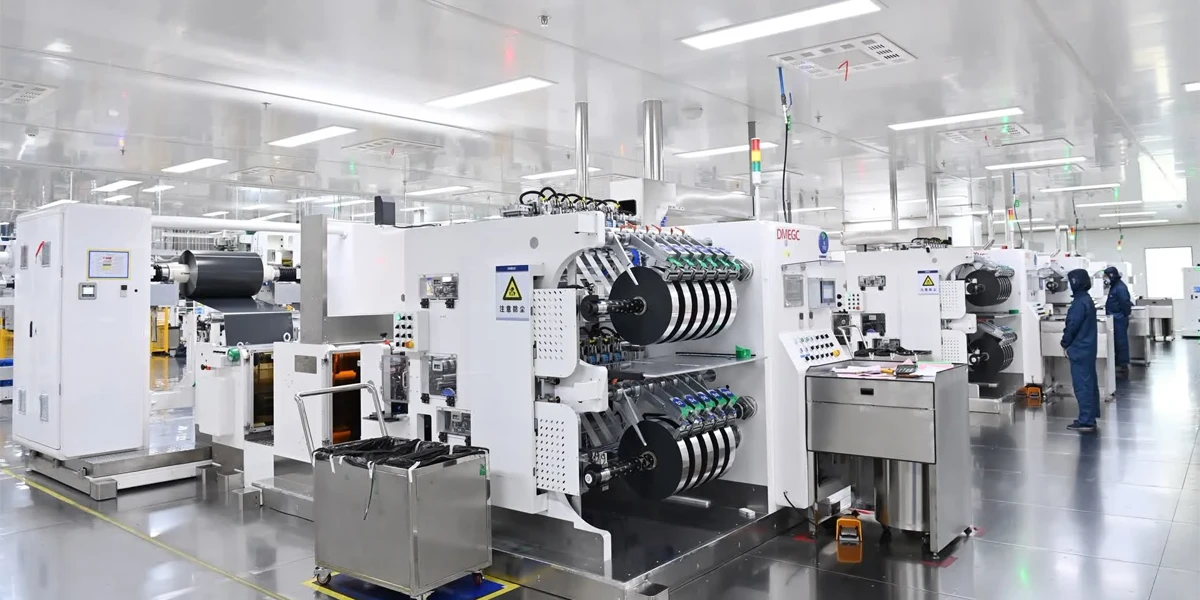
1. Algemene structuur van de productie van lithium-ionbatterijen
Hoewel verschillende celformaten, zoals cilindrisch, pouch en prismatisch, verschillende assemblageprocessen vereisen, volgt het algehele productieproces van lithium-ionbatterijen een vergelijkbare structuur. Het gehele productieproces kan worden onderverdeeld in drie belangrijke fasen: elektrodepreparatie, celassemblage en elektrochemische activering met testen. Elke fase omvat meerdere processen die nauwkeurig moeten worden gecontroleerd om de kwaliteit van het eindproduct te garanderen.
|
Productiefase |
Hoofdprocessen |
Technisch doel |
|
Voorbereiding van de elektrode |
Mengen, coaten, drogen, kalanderen, snijden |
Zorg voor een uniforme kathode en anode. |
|
Celassemblage |
Stapelen of oprollen, lassen, verpakken, vullen met elektrolyt, afdichten |
Bouw een mechanische structuur. |
|
Vorming en testen |
Vorming, veroudering, sortering, elektrische testen |
Activeer en classificeer cellen |
|
Fabrieksintegratie |
Cleanroom, nutsvoorzieningssysteem, automatisering, MES |
Zorg voor een stabiele productie. |
Bij industriële projecten moeten deze fasen gezamenlijk worden ontworpen, en niet afzonderlijk. Een goed ontworpen productielijn vereist een juiste afstemming van machinecapaciteit, materiaalstroom, droogtijd, cleanroomniveau en stroomvoorziening. Om die reden zijn professionele oplossingen voor de lay-out van een batterijfabriek en het ontwerp van de productielijn meestal nodig voordat de aanschaf van apparatuur begint.
2. Elektrodenvoorbereiding: de basis voor batterijprestaties
De voorbereiding van de elektroden is het meest cruciale onderdeel van de productie van lithium-ionbatterijen, omdat de microstructuur die tijdens deze fase wordt gevormd, direct bepalend is voor de energiedichtheid, de levensduur, de interne weerstand en de veiligheidseigenschappen. Zodra de elektroden zijn geproduceerd, kunnen de meeste prestatieparameters niet meer in latere stappen worden gecorrigeerd. Daarom investeren industriële bedrijven fors in uiterst nauwkeurige coating- en kalandeersystemen.
2.1 Techniek voor het mengen van slurry
De eerste stap is het bereiden van de kathode- en anodesuspensie door actieve materialen, geleidende additieven, bindmiddel en oplosmiddel te mengen. Op laboratoriumschaal lijkt mengen misschien eenvoudig, maar in de industriële productie moet de suspensie een stabiele viscositeit, een uniforme deeltjesverdeling en een herhaalbaar reologisch gedrag behouden gedurende lange productieruns. Variaties in de dispersiekwaliteit leiden tot coatingdefecten, ongelijke dikte en capaciteitsverschillen tussen cellen.
|
Parameter |
Typische industriële vereiste |
|
Gelijkmatige menging |
±1% vaste stofverdeling |
|
Vacuümniveau |
<−0,09 MPa |
|
Temperatuurregeling |
±2 °C |
|
Viscositeitsafwijking |
< 3% |
|
Herhaalbaarheid van batches |
< 2% |
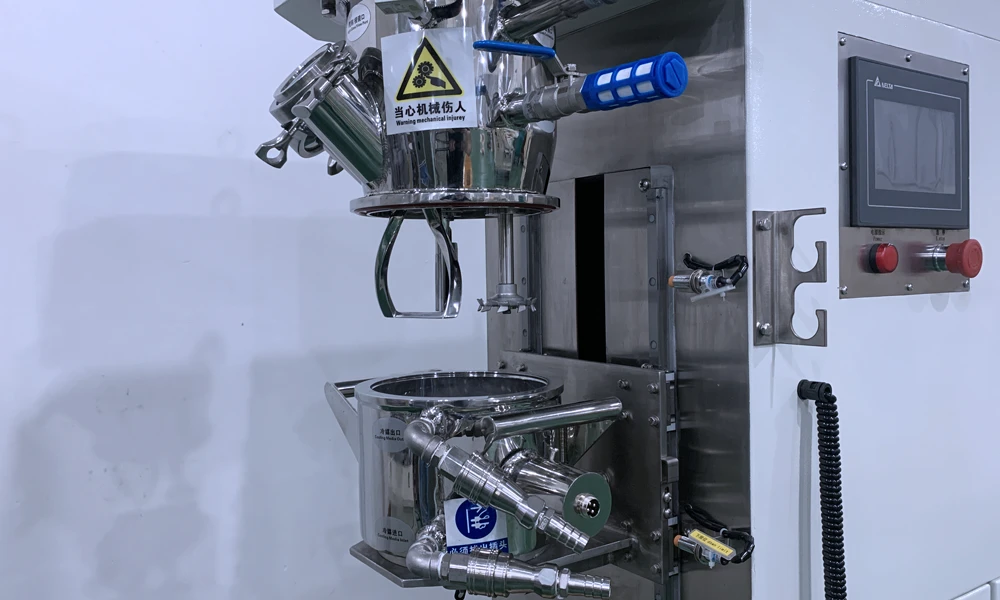
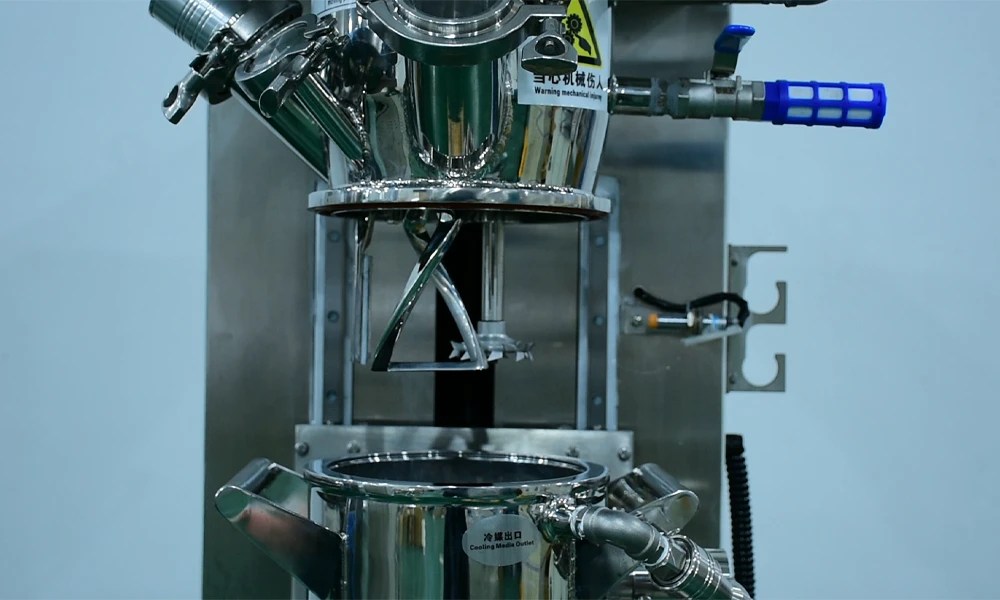
Moderne productielijnen maken gebruik van vacuüm planetaire mengers of dubbele planetaire mengers met nauwkeurige temperatuur- en snelheidsregeling. Voor onderzoeksinstellingen en proefinstallaties is flexibele parameterinstelling essentieel, vandaar apparatuur voor het mengen van batterijslurry Voor R&D-toepassingen is ondersteuning voor meerdere materiaalsystemen en kleine batchgroottes vereist.
|
|
2.2 Precisiecoatingproces
Na het mengen wordt de slurry op stroomcollectoren aangebracht. Het coatingproces vereist controle over de dikte, het gewicht en de uniformiteit over de gehele breedte van de elektrode. Zelfs kleine variaties in dikte kunnen tijdens de vorming leiden tot een onevenwicht in de capaciteit. Industriële productielijnen maken doorgaans gebruik van sleufmatrijs-coatingtechnologie, omdat deze continue productie met hoge precisie en weinig materiaalverspilling mogelijk maakt. Doctor-blade-coating wordt daarentegen nog steeds veel gebruikt in laboratorium- en pilotomgevingen vanwege de flexibiliteit ervan.
|
Coatingmethode |
Precisie |
Typische toepassing |
|
Slot matrijs coating |
Hoog |
Massaproductie |
|
coating van het doctor blade |
Medium |
Laboratorium-/proeflijn |
|
Komma-coating |
Medium |
Speciale materialen |
In fabrieken met een hoge capaciteit worden coatingmachines vaak geïntegreerd met droogovens met meerdere zones om een continue productie te garanderen zonder de materiaalstroom te onderbreken.
2.3 Drogen en verwijdering van oplosmiddelen
Het droogproces verwijdert het oplosmiddel van de gecoate elektrode, terwijl de ontworpen microstructuur behouden blijft. Deze stap vereist nauwkeurige controle van de temperatuurgradiënt, de luchtstroomsnelheid en het oplosmiddelterugwinningssysteem. Als het drogen te snel gaat, kunnen er scheuren in de coatinglaag ontstaan. Als het drogen onvoldoende is, kan er restoplosmiddel achterblijven, wat kan leiden tot gasvorming tijdens de vorming.
Industriële coatinglijnen omvatten doorgaans lange heteluchtovens met meerdere verwarmingszones. Naast temperatuurregeling moeten moderne fabrieken ook rekening houden met energie-efficiëntie en oplosmiddelrecycling om de bedrijfskosten te verlagen.
2.4 Kalanderen en dichtheidscontrole
Kalanderen comprimeert de gedroogde elektrode om de gewenste dichtheid en porositeit te bereiken. Een hogere dichtheid verhoogt de energiedichtheid, maar overmatige compressie vermindert het ionentransport en kan de levensduur verkorten. Daarom moeten de kalandeerparameters worden geoptimaliseerd op basis van het materiaalsysteem en het celontwerp.
|
Kalenderparameter |
Invloed op de cel |
|
Druk |
Dichtheid en capaciteit |
|
Temperatuur |
Hechtsterkte |
|
Rolafstand |
Gelijkmatigheid van de dikte |
|
Snelheid |
Oppervlaktekwaliteit |
Proeflijnen vereisen vaak instelbare roldruk en temperatuur ter ondersteuning van verschillende onderzoeksprojecten. Daarom is een schaalbaar ontwerp van de apparatuur belangrijk bij het bouwen van een proeflijn voor batterijaccu's.
2.5 Snijden en stofbeheersing
Na het kalanderen wordt de brede elektroderol in smalle stroken gesneden. Bij dit proces moeten bramen en deeltjes worden vermeden, omdat metaalstof interne kortsluitingen kan veroorzaken. Industriële snijmachines zijn uitgerust met spanningsregelsystemen, randafwerking en stofafzuiginstallaties om schone elektrodeoppervlakken te garanderen.
3. Celassemblage: Vorming van de mechanische structuur
Nadat de elektroden zijn voorbereid, volgt de assemblage van de celstructuur. De assemblagemethode is afhankelijk van het celformaat, maar de technische principes zijn vergelijkbaar. Het proces moet zorgen voor een nauwkeurige uitlijning, een schone omgeving en betrouwbare elektrische verbindingen.
|
Celindeling |
Typische montagemethode |
|
Cilindrisch |
Opwinden |
|
Zakje |
Stapelen |
|
Prismatisch |
Stapelen of oprollen |
Stapelmachines vereisen een hoge positioneringsnauwkeurigheid, terwijl wikkelmachines een stabiele spanning moeten handhaven om kreukels te voorkomen. Het lassen van de lipjes is een andere cruciale stap, omdat slecht lassen de interne weerstand en warmteontwikkeling tijdens het wikkelproces verhoogt. In de industriële productie wordt meestal ultrasoon lassen of laserlassen gebruikt, afhankelijk van het materiaal en de dikte van de lipjes.
Het verpakken moet in een cleanroom plaatsvinden om stofverontreiniging te voorkomen. Voor het vullen met elektrolyt is vacuümapparatuur nodig om volledige penetratie in de elektrodeporiën te garanderen. Tot slot moet de afdichting een langdurige hermetische afsluiting garanderen om het binnendringen van vocht te voorkomen.
|
Procesgebied |
Typisch cleanroomniveau |
|
Coating |
ISO 8 |
|
Montage |
ISO 7 |
|
Elektrolytvulling |
ISO 6 |
Een goed cleanroomontwerp is onderdeel van de fabriekstechniek en moet in samenhang met de apparatuurindeling worden overwogen.
4. Vorming, veroudering en testen
Vorming is het elektrochemische activeringsproces waarbij de vaste elektrolyt-interface (SEI) op het anodeoppervlak wordt gevormd. Deze stap vereist nauwkeurige stroomregeling en temperatuurbeheer. Het is tevens een van de duurste onderdelen van een batterijfabriek, omdat duizenden kanalen gedurende lange perioden gelijktijdig moeten werken.
|
Proces |
Doel |
|
Vorming |
Bouw een stabiele SEI op. |
|
Veroudering |
Stabiliseer de chemie |
|
Capaciteitstest |
Prestaties meten |
|
Beoordeling |
Sorteer cellen |
De vormingsapparatuur neemt een groot oppervlak in beslag en vereist een krachtige stroomvoorziening, waarmee rekening moet worden gehouden tijdens de fabrieksplanning. Een onjuiste inschatting van de vormingscapaciteit is een veelgemaakte fout bij nieuwe batterijprojecten.
5. Het belang van integratie van de productielijn
Bij de industriële productie van batterijen hangt de processtabiliteit niet alleen af van de individuele machines, maar ook van de integratie van de gehele productielijn. De coatingsnelheid moet afgestemd zijn op de droogtijd, de snijsnelheid op de assemblagecapaciteit en de vormkanalen op de dagelijkse productie. Ook de benodigde voorzieningen zoals perslucht, gekoeld water, vacuüm en stroomvoorziening moeten worden ontworpen op basis van de productieschaal.
Daarom geven veel bedrijven er de voorkeur aan om samen te werken met een totaalleverancier van batterijapparatuur die procesontwerp, apparatuurfabricage, installatie en inbedrijfstelling als een compleet pakket kan aanbieden, in plaats van machines bij meerdere leveranciers aan te schaffen.
6. Van laboratoriumonderzoek naar massaproductie
De meeste batterijprojecten beginnen met laboratoriumonderzoek, gaan vervolgens over naar proefproductie en uiteindelijk naar massaproductie. Bij de keuze van de apparatuur moet rekening worden gehouden met deze overgang. Laboratoriumapparatuur moet flexibele parameters mogelijk maken, proefproductielijnen moeten stabiliteit bij kleine batches garanderen en productielijnen moeten zich richten op automatisering en rendement. De keuze voor schaalbare apparatuur verkort de ontwikkeltijd en voorkomt herhaalde investeringen.
TOB NIEUWE ENERGIE Wij bieden complete oplossingen, variërend van laboratoriumapparatuur en pilotlijnen tot kant-en-klare productielijnen, waardoor klanten consistente procesparameters kunnen handhaven en tegelijkertijd hun productiecapaciteit kunnen verhogen.
Over TOB NEW ENERGY
TOB NIEUWE ENERGIE is een professionele leverancier van apparatuur voor lithium-ionbatterijen en complete productielijnoplossingen voor batterijfabrikanten, universiteiten, onderzoeksinstellingen en bedrijven in de duurzame energiesector wereldwijd. Het bedrijf biedt volledige ondersteuning, van laboratoriumonderzoek tot pilot- en massaproductie, inclusief fabrieksontwerp, apparatuurfabricage, installatie, inbedrijfstelling en training van operators.
Met uitgebreide ervaring in lithium-ion-, natrium-ion-, solid-state-, lithium-zwavel- en droge-elektrodetechnologieën levert TOB NEW ENERGY op maat gemaakte technische oplossingen die klanten helpen bij het bouwen van betrouwbare, schaalbare en toekomstbestendige batterijproductiefaciliteiten.
 Abonneer u op ons