Chinese
 English
 français
 Deutsch
 italiano
 español
 português
 日本語
日本語 한국의
한국의




Categorieën
Hete producten
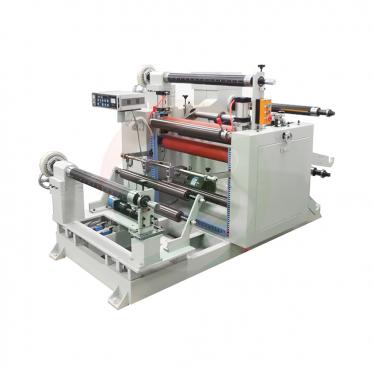
TÜV Rheinland certificeert leverancierscapaciteit van TOB New Energy
Jul 16,2026TOB NEW ENERGY heeft een uitgebreide beoordeling van de leverancierscapaciteiten op locatie doorstaan, uitgevoerd door TÜV Rheinland, een van de toonaangevende onafhankelijke test- en certificeringsinstanties ter wereld. De beoordeling, voltooid in juli 2026 onder rapportnummer 493334655_T, biedt verificatie door een derde partij van TOB's productie-infrastructuur, kwaliteitsmanagementsystemen en exportgereedheid — en bevestigt onafhankelijk de capaciteiten die zijn opgebouwd gedurende meer dan twee decennia ervaring in batterijtechniek.
De beoordeling kan online worden geverifieerd via het gecertificeerde leveranciersportaal van TÜV Rheinland, waardoor internationale kopers rechtstreeks de referenties van TOB kunnen bevestigen zonder uitsluitend te vertrouwen op zelfgerapporteerde claims.
TÜV Rheinland, opgericht in 1872, is wereldwijd een van de meest erkende namen op het gebied van industriële tests en certificering. De beoordelingen van leverancierscapaciteiten omvatten inspectie op locatie van productiefaciliteiten, kwaliteitscontroleprocessen, R&D-infrastructuur en exportactiviteiten — geen documentbeoordeling op afstand, maar een fysieke audit waarbij TÜV-ingenieurs door de fabriek lopen.
Wat de beoordeling omvat
De beoordeling van leverancierscapaciteiten door TÜV Rheinland evalueert een fabrikant op de dimensies die het belangrijkst zijn voor internationale inkoopbeslissingen:
Productie-infrastructuur.De staat van productieapparatuur, capaciteit, automatiseringsniveau en onderhoudssystemen — waarbij wordt gecontroleerd of de fabriek kan leveren op de schaal en met de consistentie die vereist zijn voor exportorders.
Kwaliteitsmanagement.Inspectie van binnenkomende materialen, kwaliteitscontrole tijdens het proces, testen van eindproducten, behandeling van afwijkingen en systemen voor corrigerende maatregelen — de operationele processen die bepalen of productkwaliteit herhaalbaar of wisselvallig is.
R&D- en technische capaciteit.Laboratoriumfaciliteiten, testapparatuur, kwalificaties van het engineeringteam en productontwikkelingsprocessen — indicatoren of de leverancier technische problemen zelfstandig kan oplossen.
Exportcapaciteit.Verpakkingsnormen, logistieke documentatie, bewustzijn van naleving van regelgeving en infrastructuur voor internationale klantenservice — de praktische capaciteiten die binnenlandse leveranciers onderscheiden van betrouwbare exportpartners.
Elke dimensie wordt beoordeeld door middel van observatie op locatie, documentbeoordeling en interviews met personeel. De TÜV-beoordelaar verifieert dat wat het bedrijf beweert overeenkomt met wat er daadwerkelijk aanwezig is.
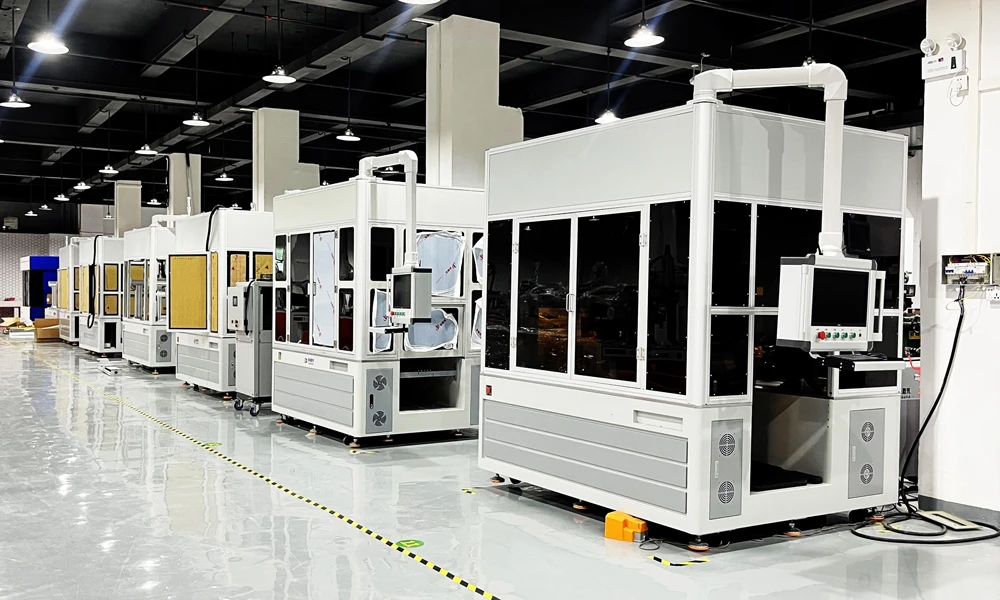
De referentiestructuur van TOB: van productveiligheid tot productiesystemen
De beoordeling door TÜV Rheinland voegt de nieuwste laag toe aan een referentiearchitectuur die productveiligheidscertificeringen, certificeringen van managementsystemen en onafhankelijke leveranciersverificatie omvat — elk gericht op een afzonderlijke dimensie van vertrouwen van internationale kopers.
|
Referentie |
Categorie |
Wat het verifieert |
|
CE |
Productveiligheid — EU-markt |
Batterijapparatuur voldoet aan de gezondheids-, veiligheids- en milieueisen van de EU, waardoor markttoegang in de Europese Economische Ruimte mogelijk wordt |
|
UL |
Productveiligheid — Noord-Amerika |
Batterijapparatuur voldoet aan de Noord-Amerikaanse veiligheidsnormen die vereist zijn voor de Amerikaanse en Canadese markten |
|
IATF 16949 |
Kwaliteitsmanagementsysteem |
Kwaliteitssystemen van automobielniveau — een van de meest veeleisende certificeringen voor productiekwaliteit, vereist door eerstelijns klanten in de autobatterijsector |
|
ISO 9001 |
Kwaliteitsmanagementsysteem |
Gedocumenteerd en geaudit kwaliteitsmanagementsysteem voor ontwerp, productie en aftersales |
|
ISO 14001 |
Milieumanagement |
Milieumanagementpraktijken binnen productieactiviteiten en toeleveringsketenketen |
|
ISO 45001 |
Arbeidsgezondheid en veiligheid |
Veiligheidsnormen voor werknemers — relevant voor klantaudits van operationele leveranciersnormen |
|
TÜV Rheinland |
Onafhankelijke leveranciersverificatie |
Productierealiteit — wat de auditor van TÜV fysiek op de fabrieksvloer heeft waargenomen, geverifieerd aan de hand van internationale inkoopnormen |
De architectuur dient verschillende inkoopvragen. CE en UL beantwoorden: "Kan ik deze apparatuur legaal in mijn markt importeren?" IATF 16949 beantwoordt: "Werkt deze leverancier met kwaliteit op automobielniveau?" De TÜV-beoordeling beantwoordt: "Heeft een onafhankelijke derde partij fysiek bevestigd dat de fabriek is wat zij beweert te zijn?" Voor internationale kopers die leveranciers op verschillende continenten evalueren, vermindert elke laag een andere categorie inkooprisico.
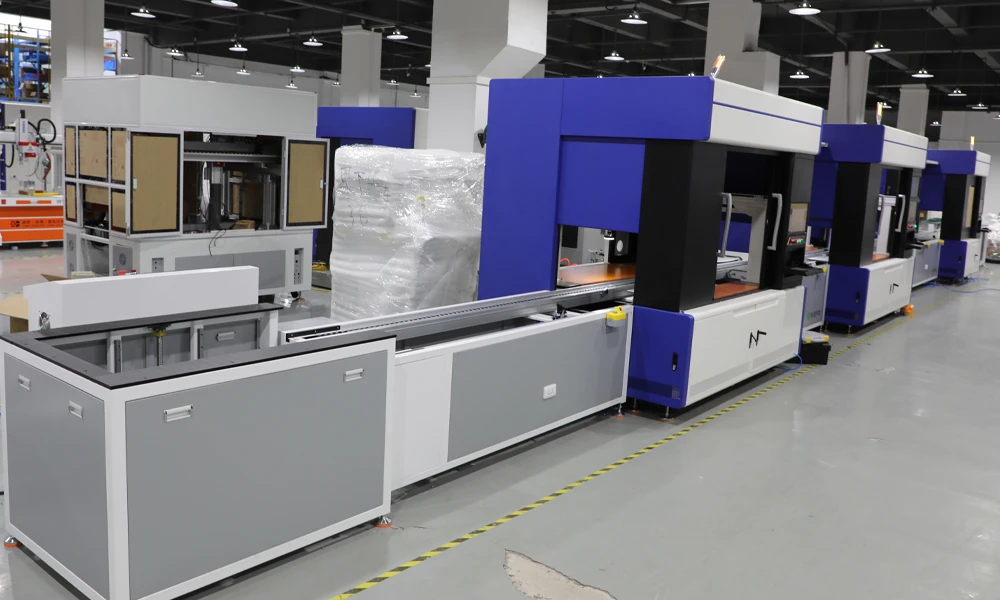
De mogelijkheden die de certificering hebben verdiend
De uitkomst van de TÜV-beoordeling is het zichtbare resultaat van de mogelijkheden die TOB systematisch heeft opgebouwd. Dit zijn de operationele sterke punten die een audit op locatie onvermijdelijk zal vastleggen.
R&D-capaciteit
TOB exploiteert een R&D-centrum van meer dan 3.000 vierkante meter met speciale laboratoria voor lithium-ion-, vastestof- en natrium-ionbatterijtechnologieën. Met meer dan 60 nationale patenten en meer dan USD 20 miljoen aan cumulatieve R&D-investeringen functioneert het centrum als een actieve ontwikkelomgeving — geen showroom — waar procestechnici de prestaties van apparatuur valideren, nieuwe batterijchemieën karakteriseren en gegevens over foutmodi verzamelen die daaropvolgende klantprojecten verkorten.
Het R&D-team, geleid door CEO Dany Huang, Ph.D. — die peer-reviewed onderzoek naar kathodematerialen voor natrium-ionbatterijen in JOM heeft gepubliceerd — exploiteert een gezamenlijk laboratorium met Central South University, een van China's meest vooraanstaande onderzoeksinstellingen voor batterijmaterialen. Deze academisch-industriële samenwerking zorgt ervoor dat het ontwerp van TOB's batterijapparatuur geïnformeerd blijft door grensverleggend onderzoek, terwijl TOB's procesengineeringervaring helpt om onderzoeksvragen met industriële relevantie vorm te geven.
Kwaliteitscontrolecapaciteit
Kwaliteitscontrole bij TOB is opgezet als een volledig ketensysteem in plaats van als een eindinspectiepunt. Binnenkomende materialen ondergaan verificatie op batchniveau voordat ze in productie gaan. Kwaliteitscontrolepunten tijdens het proces zijn ingebouwd bij elke kritieke productiestap — homogeniteit van slurrymenging, uniformiteit van laagdikte, precisie van uitlijning bij stapeling, lasintegriteit, consistentie van formatiedata — waardoor defectdetectie plaatsvindt op het moment van ontstaan in plaats van aan het einde van de lijn. Tests van afgewerkte producten valideren prestaties op basis van de parameters die belangrijk zijn voor klanttoepassingen: cyclusstabiliteit, impedantiekenmerken, veiligheidsrespons en productieopbrengst.
Deze kwaliteitsarchitectuur wordt beheerst door het IATF 16949 kader — de meest veeleisende kwaliteitsnorm van de auto-industrie — die niet alleen gedocumenteerde procedures vereist, maar ook statistische procescontrole, analyse van meetsystemen en een formeel systeem voor corrigerende maatregelen dat elke afwijking van de norm terugvoert naar de grondoorzaak en geverifieerde oplossing. Het verschil is tussen "we inspecteren onze producten" en "we kunnen bewijzen dat onze processen stabiel zijn."
Aanpassingscapaciteit
TOB verkoopt niet vanuit een vaste productcatalogus. Elke batterijproductieoplossing begint met procesengineering — inzicht krijgen in de celchemie, het formaat, de doorvoercapaciteit, de faciliteitsbeperkingen en het budget van de klant — voordat enige apparatuurconfiguratie wordt voorgesteld.
Een universitaire onderzoeksgroep die een handschoenenkast-geïntegreerde muntcelproductielijn aanschaft en een fabrikant van autobatterijen die een complete productie-lijn op GWh-schaal plant, ontvangen beide dezelfde engineeringgerichte aanpak: definieer het proces en configureer vervolgens de apparatuur eromheen. Het aanpassingsbereik van TOB omvat elektrodevoorbereiding (coatingbreedte, droogprofiel, kalanderingsdichtheid), celassemblage (stapeling versus wikkeling, formaatafmetingen, tabconfiguratie), formatie (aantal kanalen, spanningsbereik, drukregeling) en batterijmaterialen voorziening (kathode- en anodechemie, deeltjesgrootte, coatingspecificaties). De ervaring van het bedrijf met meerdere chemieën — waaronder LFP, NMC, LCO, LMFP, natrium-ion- en vastestoftechnologieën — zorgt ervoor dat aanbevelingen voor maatwerk zijn gebaseerd op gegevens over verschillende chemieën, niet op aannames voor één enkele chemie.
Capaciteit voor aftersalesservice
Het leveren van batterijapparatuur is het startpunt. Ervoor zorgen dat deze gedurende jaren van aanhoudende productie met de beoogde opbrengst presteert, is de toezegging.
De aftersalesinfrastructuur van TOB omvat ondersteuning bij installatie en inbedrijfstelling, training van operators in de faciliteit van de klant, beschikbaarheid van reserveonderdelen met vastgestelde levertijden, diagnose op afstand en foutopsporing van processen op locatie. Met meer dan 6.000 klanten wereldwijd in meer dan 30 landen is het aftersalesysteem getest op een schaal die kleinere leveranciers niet kunnen evenaren — en met een diversiteit aan gebruikssituaties, van universitaire laboratoria met wisselende studentoperators tot productielijnen voor auto's die 24/7 draaien, waardoor het ondersteuningsteam een breed spectrum aan operationele scenario's heeft meegemaakt en opgelost.
Samenwerkingen met Fortune 500-bedrijven
De batterijapparatuur en geïntegreerde oplossingen van TOB NEW ENERGY bedienen Fortune 500-bedrijven — ondernemingen die de strengste leverancierskwalificatieprocessen ter wereld hanteren. Deze relaties zijn geen marketingclaims. Ze vertegenwoordigen inkoopbeslissingen van organisaties waarvan leveranciersaudits de meeste certificeringseisen in de industrie overtreffen qua diepgang en omvang.
Voor internationale batterijkopers die TOB evalueren, biedt de aanwezigheid van Fortune 500-klanten in het klantenbestand een onafhankelijk signaal: het bedrijf is doorgelicht door inkooporganisaties die geen enkele tolerantie accepteren voor verkeerde voorstelling van zaken door leveranciers. De beoordeling door TÜV Rheinland is de formele uitdrukking door een derde partij van een capaciteitsniveau dat de markt al heeft gevalideerd via inkoopbeslissingen van ondernemingen.
Wat dit betekent voor internationale batterijkopers
Voor batterijfabrikanten, onderzoeksinstellingen en industriële kopers die leveranciers wereldwijd evalueren, biedt de certificeringsarchitectuur van TOB een meerlaagse basis van vertrouwen:
Certificeringen voor productveiligheid (CE, UL) bevestigen dat apparatuur voldoet aan de wettelijke vereisten van doelmarkten, waardoor een importbarrière wordt weggenomen die inkoop maanden kan vertragen.
Certificeringen voor managementsystemen (IATF 16949, ISO 9001, ISO 14001, ISO 45001) bevestigen dat kwaliteits-, milieu- en veiligheidsmanagementsystemen bestaan, gedocumenteerd zijn en werken onder gecontroleerde audits.
Onafhankelijke leveranciersverificatie (TÜV Rheinland) bevestigt dat deze systemen resultaten opleveren op de fabrieksvloer — niet alleen op papier. Het beoordelingsrapport (493334655_T) is online verifieerbaar, waardoor inkoopteams de audituitkomst onafhankelijk kunnen bevestigen.
Portfolio van zakelijke klanten (Fortune 500-bedrijven)biedt marktvalidatie — de meest veeleisende kopers ter wereld hebben al hun eigen due diligence op TOB als leverancier uitgevoerd.
Voor inkoopmanagers die fabrikanten van batterijapparatuur in verschillende regio's evalueren, verkort deze combinatie — productcertificeringen, certificeringen van managementsystemen, onafhankelijke verificatie en validatie door zakelijke klanten — de tijdlijn van de leveranciersbeoordeling en vergroot tegelijkertijd het vertrouwen in het evaluatieresultaat.
TOB NEW ENERGY is een geïntegreerde aanbieder van batterijoplossingen die batterijapparatuur, batterijmaterialen, en kant-en-klare productielijnen levert van laboratoriumschaal tot GWh-schaal. Opgericht in 2012 met technische wortels die teruggaan tot 2002. Certificeringen: CE, UL, IATF 16949, ISO 9001, ISO 14001, ISO 45001. TÜV Rheinland-beoordelingsrapport voor leverancierscapaciteit 493334655_T. Gezamenlijk laboratorium met Central South University. Meer dan 6.000 klanten wereldwijd, waaronder Fortune 500-ondernemingen. Bezoek www.tobmachine.com.
 Abonneer u op ons