Chinese
 English
 français
 Deutsch
 italiano
 español
 português
 日本語
日本語 한국의
한국의




Categorieën
Hete producten
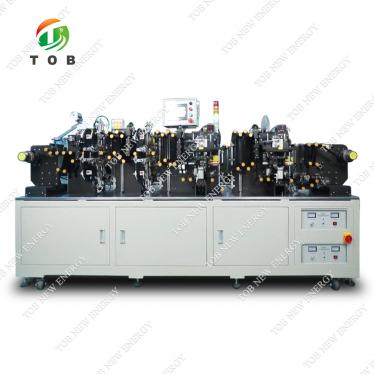
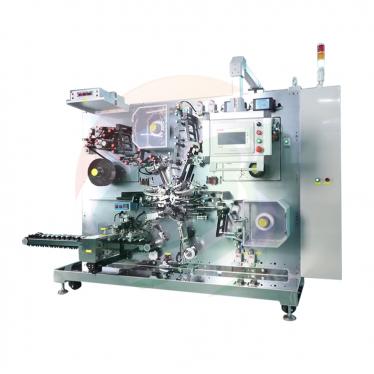
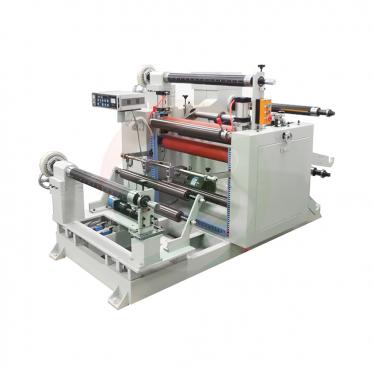
Trends in apparatuur voor natrium-ionbatterijen tot 2026 | TOB NEW ENERGY Insights
Apr 07,2026Naarmate de wereldwijde industrieën voor energieopslag en batterijproductie zich in een ongekend tempo blijven ontwikkelen, natrium-ion-batterijtechnologie Lithium-ionbatterijen ontwikkelen zich snel tot een van de meest in het oog springende alternatieven voor traditionele lithium-ionbatterijen. In 2026 is deze verschuiving niet langer beperkt tot laboratoriumonderzoek of pilotprojecten in een vroeg stadium; in plaats daarvan begint het de productiestrategieën in de praktijk, beslissingen in de toeleveringsketen en – cruciaal – de vraag naar gespecialiseerde batterijen te hervormen. apparatuur voor batterijproductie .
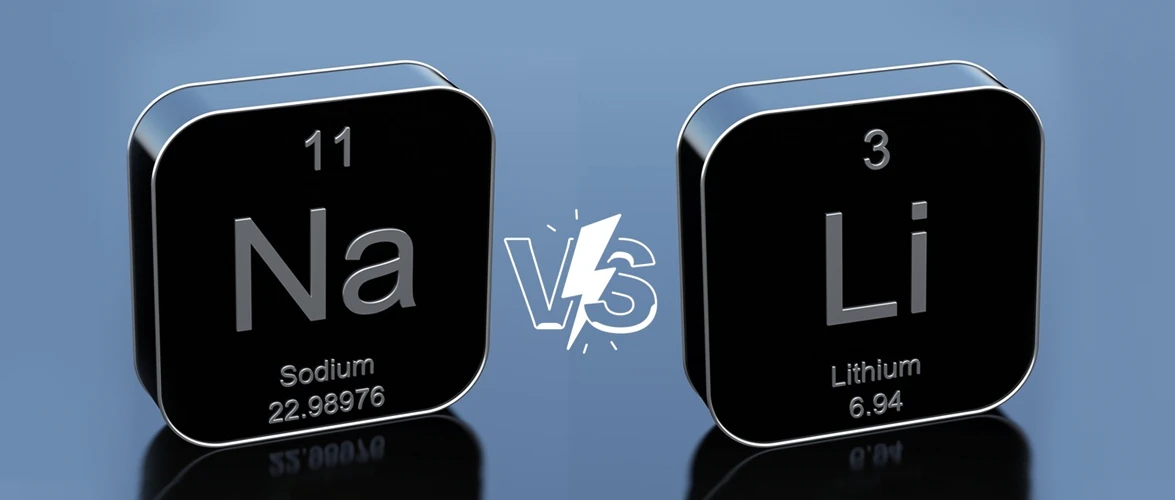
Voor zowel fabrikanten van apparatuur als batterijontwikkelaars is de opkomst van natrium-ionbatterijen niet zomaar een technologische trend. Het vertegenwoordigt een structurele verandering in de manier waarop batterijen worden ontworpen, verwerkt en op grote schaal geproduceerd. Deze transitie leidt tot een nieuwe golf van eisen op het gebied van flexibiliteit, precisie en aanpasbaarheid. apparatuur voor de productie van batterijen met name in onderzoekslaboratoria conservatieven, proefproductielijnen en kleinschalige industriële implementaties.
Vanuit materiaalkundig oogpunt verschillen natrium-ionbatterijen aanzienlijk. Ze verschillen aanzienlijk van hun lithiumgebaseerde tegenhangers. Terwijl lithium-ion-systemen sterk afhankelijk zijn van schaarse en geografisch beperkte grondstoffen zoals lithium, kobalt en nikkel, maken natrium-ion-batterijen gebruik van meer overvloedige en wijdverspreide grondstoffen. Dit fundamentele verschil verlaagt niet alleen de kosten, maar verandert ook de fysische en chemische eigenschappen van de elektrodematerialen. Als gevolg hiervan moeten conventionele apparatuurconfiguraties – die oorspronkelijk geoptimaliseerd waren voor lithium-ion-systemen – vaak worden aangepast of volledig opnieuw worden ontworpen wanneer ze worden toegepast op natrium-ion-systemen.
|
|
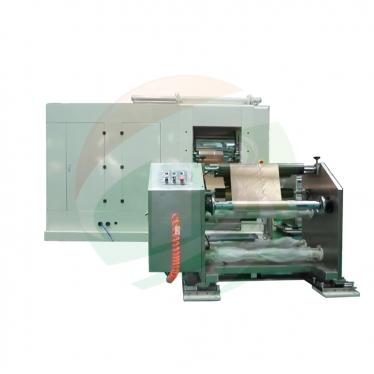
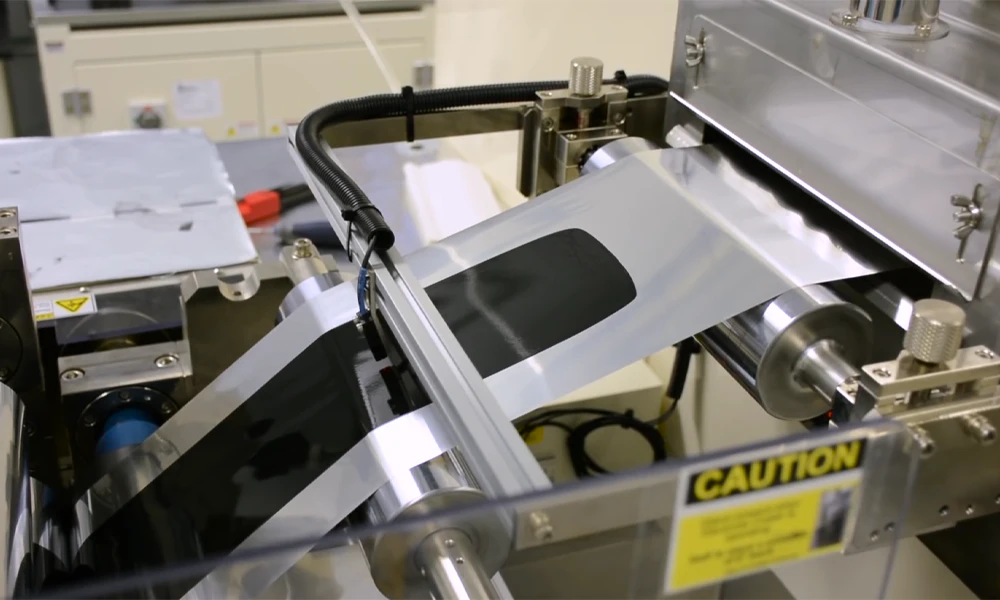
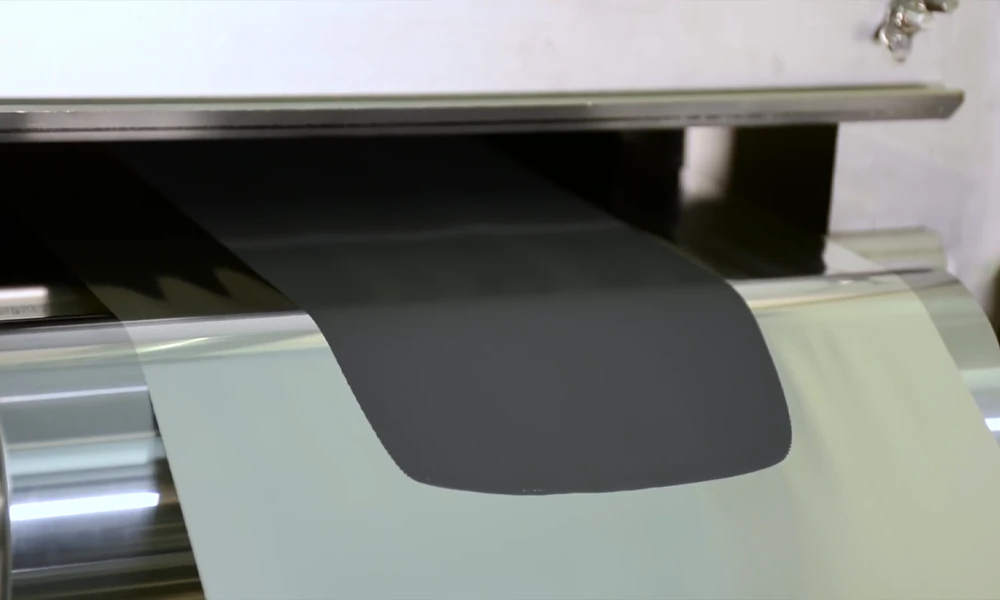
Een van de meest directe gevolgen is te zien in elektrodevoorbereidings- en coatingprocessen Natrium-ion kathode- en anodematerialen vertonen doorgaans andere deeltjesmorfologieën, stortdichtheden en slurry-eigenschappen dan lithium-ion materialen. Deze variaties beïnvloeden direct de uniformiteit van de slurry-menging, de coatingstabiliteit en de droogprestaties. In de praktijk betekent dit dat coatingtechnologieën zoals sleufmatrijs-coatingsystemen een breder viscositeitsbereik moeten kunnen verwerken met behoud van hoge precisie en consistentie.
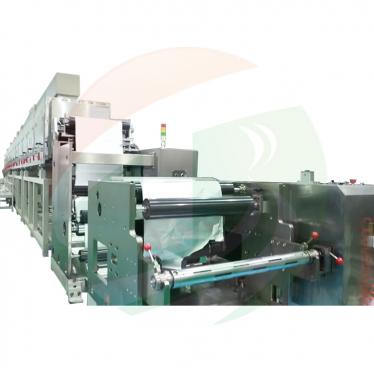
Om deze uitdagingen aan te pakken, zijn geavanceerde coatingoplossingen nodig, zoals nauwkeurig gecontroleerde coatings. sleufmatrijs coatingmachines Apparatuur uitgerust met stabiele doseerpompsystemen wordt steeds vaker toegepast in onderzoek naar natrium-ionbatterijen en in pilotproducties. Apparatuurconfiguraties die enkelzijdige en dubbelzijdige coating ondersteunen, evenals compatibiliteit met handschoenkastomgevingen, zijn met name waardevol voor materiaalvalidatie in een vroeg stadium. Deze mogelijkheden stellen onderzoekers in staat om strikte omgevingscontrole te handhaven en tegelijkertijd een uniforme coatingdikte te bereiken, wat cruciaal is voor consistente prestaties.
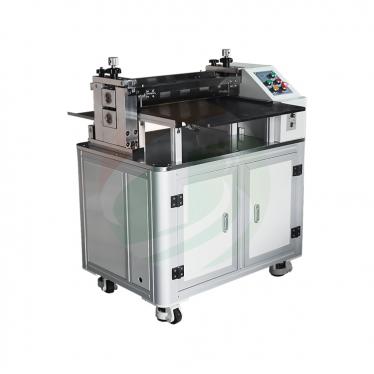
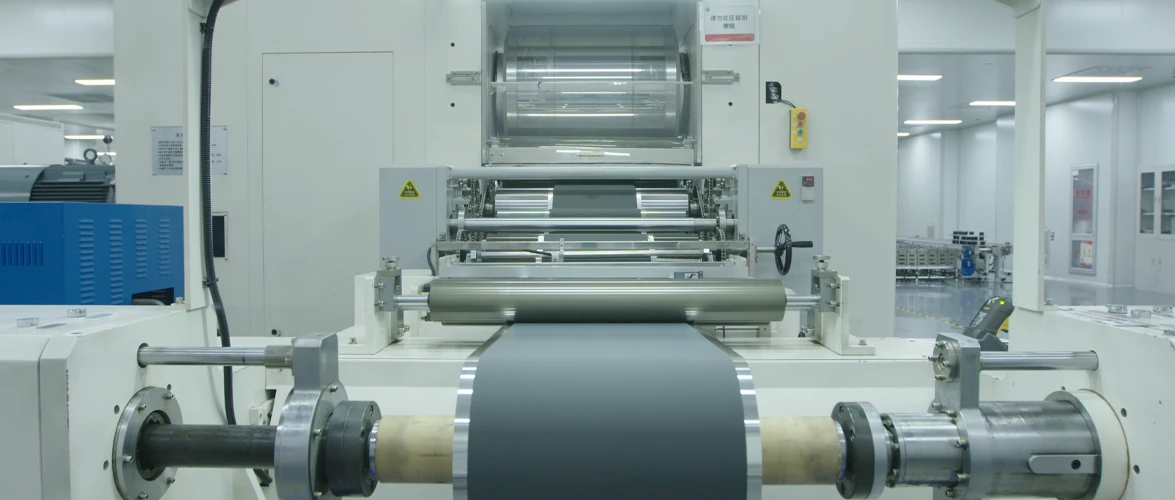
Naast de uitdagingen met de coating, elektrode kalender rin G processen Ook de materialen die gebruikt worden bij de verdichting van elektroden worden beïnvloed. Natriumion-elektroden vereisen vaak andere verdichtingsstrategieën vanwege hun specifieke structurele eigenschappen. Daarom worden walsmachines op laboratoriumschaal met instelbare drukregeling en zeer nauwkeurige spleetinstellingen steeds belangrijker voor het optimaliseren van de elektrodendichtheid. Apparatuur die stabiele mechanische prestaties en herhaalbare verwerkingsomstandigheden biedt, stelt onderzoekers in staat formuleringen nauwkeurig af te stemmen zonder de materiaalkwaliteit in gevaar te brengen.
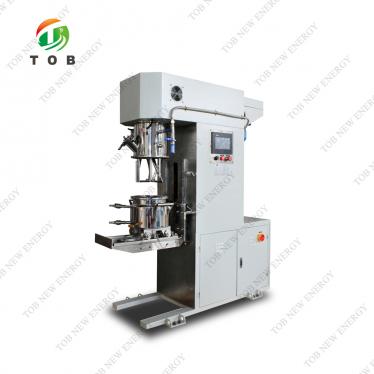
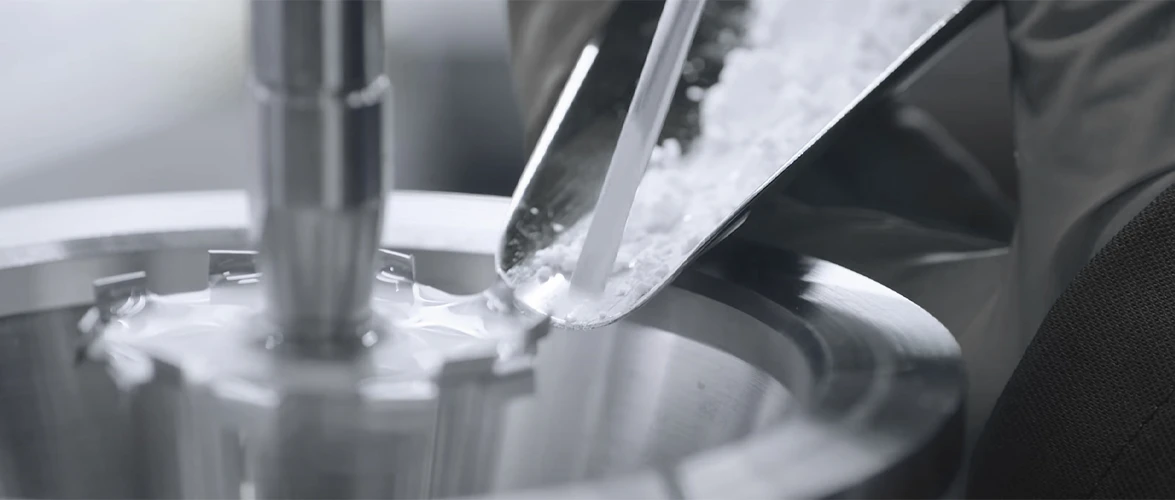
Mengtechniek technologie Een andere belangrijke factor voor het waarborgen van een consistente elektrodekwaliteit is de reologische eigenschappen van natriumionensuspensies. Het bereiken van een uniforme dispersie kan complexer zijn dan bij traditionele lithiumionensystemen. Hoogefficiënte vacuümmixers en planetaire mixers worden daarom steeds vaker gebruikt om de homogeniteit van de suspensie te verbeteren, luchtbellen te verminderen en de coatingprestaties te optimaliseren. Deze mengsystemen spelen een fundamentele rol in het garanderen dat de daaropvolgende processen, zoals coaten en drogen, zeer betrouwbaar kunnen worden uitgevoerd.
Een ander cruciaal gebied dat beïnvloed wordt door natriumionentechnologie is celassemblage Hoewel de algemene structuur van natrium-ioncellen op die van lithium-ioncellen kan lijken – zoals pouch-, cilindrische of prismatische ontwerpen – kunnen de compatibiliteit van materialen en verwerkingsomstandigheden variëren. Zo kunnen interacties tussen elektrolytsystemen en separatoren strengere omgevingscontrole of alternatieve hanteringsprocedures vereisen. Dit benadrukt het belang van handschoenkastsystemen, precisiewikkelmachines en stapelapparatuur die betrouwbaar kunnen werken onder gecontroleerde atmosferische omstandigheden.
Voor onderzoeksinstellingen en proefproductiefaciliteiten zijn compacte en modulaire assemblageoplossingen bijzonder voordelig. Apparatuur die naadloos integreert met handschoenkasten maakt het mogelijk om vochtgevoelige processen veilig uit te voeren, terwijl de flexibiliteit voor verschillende celformaten behouden blijft. In deze context worden semi-automatische assemblagelijnen voor pouchcellen en configureerbare productiesystemen op laboratoriumschaal steeds populairder onder ontwikkelaars die werken aan natriumiontechnologieën.
Naast de individuele processtappen is de bredere trend die wordt gedreven door natrium-ionbatterijen de toenemende vraag naar geïntegreerde en schaalbare apparatuuroplossingen. In tegenstelling tot de gevestigde lithium-ionproductielijnen, die vaak sterk gestandaardiseerd zijn, bevindt de productie van natrium-ionbatterijen zich nog in een fase van snelle iteratie. Daardoor geven veel bedrijven en onderzoeksinstellingen de voorkeur aan modulaire productielijnen die naadloos kunnen overgaan van laboratoriumonderzoek naar validatie op pilotschaal.
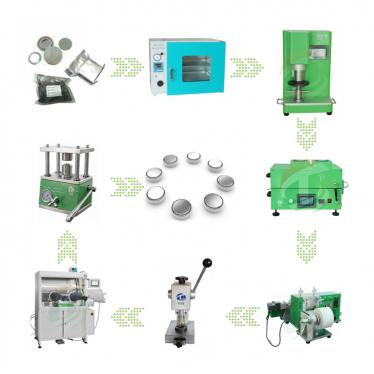
Dit is waar kant-en-klare oplossingen voor laboratoria en pilotlijnen aan populariteit winnen. In plaats van afzonderlijke machines bij verschillende leveranciers aan te schaffen, kiezen klanten steeds vaker voor complete apparatuurpakketten die mengen, coaten, drogen, walsen, snijden en celassemblage omvatten. Dergelijke geïntegreerde oplossingen verbeteren niet alleen de efficiëntie, maar garanderen ook compatibiliteit tussen de verschillende processtappen, waardoor de inbedrijfstellingstijd en de operationele complexiteit worden verminderd.
In deze context is flexibiliteit een essentiële vereiste. Apparatuur moet meerdere chemische processen kunnen ondersteunen, verschillende elektrodeformuleringen aankunnen en snelle aanpassingen mogelijk maken zonder lange stilstandtijden. Dit is met name relevant voor organisaties die parallel onderzoek doen naar zowel lithium-ion- als natrium-iontechnologieën, omdat ze de investeringskosten willen minimaliseren en tegelijkertijd de onderzoeksefficiëntie willen maximaliseren.
Tegelijkertijd blijft precisie een ononderhandelbare factor. Naarmate de natrium-iontechnologie dichter bij commercialisering komt, worden consistentie en reproduceerbaarheid van de prestaties steeds belangrijker. Variaties in coatingdikte, elektrodendichtheid of assemblageomstandigheden kunnen de batterijprestaties, levensduur en veiligheid aanzienlijk beïnvloeden. Apparatuur moet daarom niet alleen flexibel zijn, maar ook een hoge herhaalbaarheid en processtabiliteit bieden, zelfs onder wisselende experimentele omstandigheden.
Vanuit een mondiaal marktperspectief beïnvloedt de opkomst van natrium-ionbatterijen ook waar en hoe apparatuur wordt ingezet. Opkomende markten, waar kostengevoeligheid een belangrijke factor is, tonen grote belangstelling voor natrium-ionoplossingen vanwege hun potentiële economische voordelen. Dit stimuleert op zijn beurt de vraag naar kosteneffectieve, compacte en energiezuinige apparatuur die in uiteenlopende omgevingen kan worden ingezet, van academische laboratoria tot kleinschalige productiebedrijven.
Voor leveranciers van batterijapparatuur brengt deze verschuiving zowel uitdagingen als kansen met zich mee. Het vereist continue innovatie, een dieper begrip van nieuwe materiaalsystemen en nauwere samenwerking met batterijontwikkelaars. Tegelijkertijd opent het nieuwe marktsegmenten, met name op het gebied van stationaire energieopslag, elektrische voertuigen met lage snelheid en decentrale energiesystemen.
Als reactie op deze veranderende eisen hebben bedrijven zoals TOB NIEUWE ENERGIE Ze richten zich op de ontwikkeling van flexibele, toepassingsgerichte apparatuuroplossingen die zijn afgestemd op de volgende generatie batterijtechnologieën. Door kernprocessen zoals mengen, coaten en assembleren te optimaliseren en door geïntegreerde laboratorium- en pilotlijnsystemen aan te bieden, kunnen leveranciers van apparatuur een sleutelrol spelen in het versnellen van de commercialisering van natrium-ionbatterijen.
In de toekomst zal de natrium-ion-batterijtechnologie naar verwachting naast lithium-ion-systemen blijven bestaan in plaats van deze volledig te vervangen. De invloed ervan op De vraag naar apparatuur is nu al duidelijk. Deze vraag verandert de verwachtingen, herdefinieert de prestatienormen en stimuleert de evolutie van de infrastructuur voor batterijproductie.
Voor organisaties die betrokken zijn bij de ontwikkeling van batterijen, de juiste apparatuurpartner selecteren wordt steeds belangrijker. De mogelijkheid om toegang te krijgen tot flexibele, uiterst nauwkeurige en schaalbare apparatuuroplossingen zal een directe invloed hebben op de ontwikkelingssnelheid, de processtabiliteit en uiteindelijk de concurrentiepositie op de markt. In 202 Zoals blijkt uit artikel 6, transformeren natrium-ionbatterijen niet alleen de energieopslag, maar herdefiniëren ze ook actief het landschap van apparatuur dat deze opslag ondersteunt.
 Abonneer u op ons