Chinese
 English
 français
 Deutsch
 italiano
 español
 português
 日本語
日本語 한국의
한국의




- Gids voor het opzetten van een kant-en-klaar laboratorium voor solid-state batterijen
- Geleidende materialen voor lithiumbatterijen: gids voor CNT versus grafeen
- Stapsgewijze handleiding voor het samenwerken met een ontwikkelaar van natrium-ion-batterijtechnologie in China
- Een complete gids voor het implementeren van industriële solid-state batterijtechnologie in de productie
- Hoe kiest u een professionele leverancier van batterijapparatuur voor massaproductie
Trends in de lithiumbatterijproductie in 2026: routekaart voor apparatuurupgrades
Nu de wereldwijde lithiumbatterij-industrie 2026 ingaat, wordt steeds duidelijker dat de productiecapaciteit – en niet alleen elektrochemische doorbraken op laboratoriumniveau – zal bepalen welke technologieën op grote schaal succesvol zullen zijn. De afgelopen tien jaar werden de prestatieverbeteringen van lithium-ionbatterijen voornamelijk gedreven door materiaalinnovatie: kathodes met een hoger nikkelgehalte, met silicium gedoteerde anodes, verbeterde elektrolyten en geoptimaliseerde additieven. Naarmate de toename in energiedichtheid echter afneemt en de druk op het gebied van veiligheid, kosten en duurzaamheid toeneemt, verschuift het zwaartepunt van de industrie.
Vanuit mijn perspectief als productie-ingenieur en systeemintegrator met meer dan 23 jaar ervaring, zal de volgende fase van de concurrentie worden bepaald door de architectuur van de apparatuur, de processtabiliteit en de schaalbaarheid op fabrieksniveau. Technologieën zoals droge elektrodeprocessen en solid-state batterijen worden vaak besproken in termen van materiaalkunde, maar de werkelijke belemmeringen liggen in de maakbaarheid. Zonder overeenkomstige upgrades van de productieapparatuur en procesbeheersing kunnen deze technologieën niet verder komen dan demonstraties op pilotschaal.Dit artikel analyseert de technologische trends in de lithiumbatterijproductie in 2026 vanuit het oogpunt van apparatuur- en procestechniek. Het richt zich op de manier waarop droge-elektrode- en solid-state-batterijtechnologieën de eisen aan productielijnen veranderen en biedt een praktisch stappenplan voor fabrikanten die hun fabrieken van de volgende generatie plannen.

Waarom upgrades van apparatuur nu het cruciale knelpunt vormen.
Bij de traditionele productie van lithium-ionbatterijen heeft de industrie een relatief evenwicht bereikt tussen materialen, procesparameters en betrouwbaarheid van de apparatuur. De conventionele natte-process elektrodefabricage, het vullen met vloeibare elektrolyt en de vormingsprotocollen zijn goed bekend en de opbrengstoptimalisatie volgt gevestigde methoden.
Opkomende batterijtechnologieën verstoren dit evenwicht echter op drie fundamentele manieren:
1. De procesvensters worden smaller – Nieuwe materialen en structuren zijn minder tolerant voor variatie.
2. Bestaande apparatuur bereikt fysieke grenzen – Machines die ontworpen zijn voor coatings op basis van slurry of vloeibare elektrolyten kunnen niet eenvoudig worden aangepast.
3. De risico's bij opschaling nemen exponentieel toe – Succes in het laboratorium vertaalt zich niet lineair naar massaproductie.
Het gevolg hiervan is dat het ontwerp van de apparatuur niet langer een overweging is die pas later in het proces aan bod komt. Het moet samen met de batterijtechnologie zelf worden ontwikkeld, met name voor droge-elektrode- en solid-state-systemen.
Droge elektrodetechnologie: een nieuwe definitie van apparatuur voor de productie van elektroden.
1. Van slurrycoating naar vaste-stoffilmvorming
De droge-elektrodetechnologie elimineert oplosmiddelen en het mengen van slurries, en vervangt deze door processen op basis van poederverdichting, fibrillatie en filmvorming. Hoewel deze aanpak duidelijke voordelen biedt – lager energieverbruik, kleinere milieubelasting en kortere productiecycli – verandert het de eisen aan de apparatuur fundamenteel.
Traditionele coatinglijnen maken gebruik van: - Slurry-mengsystemen - Sleufmatrijs- of kommacoatingmachines - Lange droogovens - Oplosmiddelterugwinningsinstallaties
Droge elektrodelijnen vereisen daarentegen: - Zeer nauwkeurige poedertoevoersystemen - Gecontroleerde fibrillatie- of bindmiddelactiveringsmechanismen - Hogedrukkalandeer- en filmverdichtingsapparatuur - Inline dikte- en dichtheidsmonitoring
2. Uitdagingen met nieuwe apparatuur
Vanuit technisch oogpunt brengt de verwerking van droge elektroden een aantal niet te verwaarlozen uitdagingen met zich mee:
• Controle van de poederuniformiteit: In tegenstelling tot vloeistoffen vertonen poeders segregatie, agglomeratie en instabiliteit van de stroming.
• Beheersing van mechanische spanning: Overmatige verdichting kan actieve materialen of geleidende netwerken beschadigen.
• Procesherhaalbaarheid: Kleine variaties in druk of temperatuur kunnen leiden tot grote afwijkingen in de prestaties.
Bij TOB New Energy hebben onze engineeringteams geconstateerd dat veel vroege proefinstallaties met droge elektroden niet falen vanwege de materiaalsamenstelling, maar omdat de apparatuur onvoldoende procescontrole biedt.
Solid-state batterijen: apparatuur moet interfaces mogelijk maken, niet alleen assemblage.
1. De productierealiteit van solid-state cellen
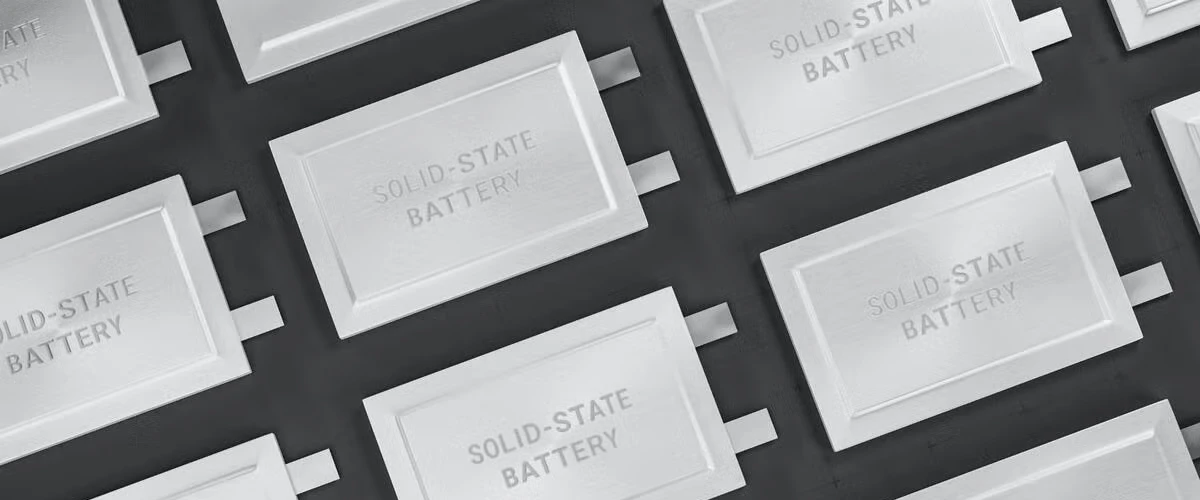
Vastestofbatterijen beloven verbeterde veiligheid en mogelijk een hogere energiedichtheid, maar stellen tegelijkertijd ongekende eisen aan de productieapparatuur. In tegenstelling tot systemen met vloeibare elektrolyten, worden vastestofcellen gekenmerkt door een sterke interface. De kwaliteit van het contact tussen de vaste elektrolyt en de elektroden bepaalt de ionengeleiding, de levensduur en de betrouwbaarheid.
Dit verschuift de rol van de apparatuur van eenvoudige assemblage naar interface-engineering.
2. Belangrijkste apparatuurvereisten voor de productie van vaste stoffen
Voor de productie van solid-state batterijen is apparatuur nodig die aan de volgende eisen voldoet:
• Zeer nauwkeurige laagstapeling en uitlijning
• Gelijkmatige druktoepassing tijdens het lamineren
• Behandeling onder gecontroleerde atmosfeer voor vochtgevoelige materialen
• Processen voor verdichting en sintering met minimale schade (indien van toepassing)
Veel bestaande machines voor de assemblage van lithium-ionbatterijen kunnen niet aan deze eisen voldoen zonder ingrijpende aanpassingen. Standaard lamineerapparatuur mist bijvoorbeeld vaak de benodigde drukuniformiteit of feedbackregeling voor vaste elektrolytlagen.
Traditionele versus nieuwe generatie productieprocessen
De volgende tabel vat de belangrijkste verschillen samen tussen de conventionele productie van lithium-ionbatterijen en de opkomende droge-elektrode- en vastestofprocessen vanuit een apparatuurperspectief.
|
Dimensie |
Traditioneel lithium-ionproces |
Droogelektrodeproces |
Solid-state batterijproces |
|
Voorbereiding van de elektrode |
Slurry mengen + natte coating |
Filmvorming op basis van poeder |
Vaste of samengestelde laag die zich vormt |
|
Droogvereiste |
Lange oplosmiddeldroogovens |
Geen oplosmiddeldroging |
Beperkt of geen drogen |
|
Belangrijkste knelpunt in de apparatuur |
Gelijkmatigheid van de coating, droogefficiëntie |
Poederbehandeling, kalandercontrole |
Interface druk en uitlijning |
|
Procesgevoeligheid |
Gematigd |
Hoog |
Zeer hoog |
|
Aanpassingsniveau van de apparatuur |
Laag tot gemiddeld |
Hoog |
Zeer hoog |
|
Opschalingsmoeilijkheden |
Relatief volwassen |
Middelmatig tot hoog |
Hoog |
Deze vergelijking benadrukt een cruciaal punt: nieuwe batterijtechnologieën vereisen onevenredig veel complexere apparatuur, zelfs wanneer de algehele processtappen eenvoudiger lijken.
Routekaart voor de modernisering van apparatuur voor de periode 2026-2028
Op basis van onze interne projecten en samenwerkingen met klanten adviseert TOB New Energy een gefaseerde upgrade van apparatuur in plaats van een abrupte vervanging van de technologie.
Fase 1: Hybride lijnen en modulaire upgrades
Fabrikanten zouden moeten beginnen met hybride productielijnen die beproefde processen in de vervolgfase (assemblage, vorming, veroudering) behouden, terwijl ze tegelijkertijd selectief de apparatuur in de voorfase verbeteren, zoals:
• Pilotmodules met droge elektroden
• Geavanceerde kalandersystemen met gesloten-lusregeling
• Verbeterde meetmethoden en inline-inspectie
Deze aanpak verlaagt het kapitaalrisico en stelt teams tegelijkertijd in staat procesgegevens te verzamelen.
Fase 2: Speciaal ontworpen pilotleidingen
Zodra de processtabiliteit is aangetoond, moeten speciale proeflijnen worden ingezet met:
• Volledig op maat gemaakte apparatuur voor de fabricage van elektroden
• Lamellaer- en stapelsystemen die compatibel zijn met solid-state technologie
• Uitgebreidere milieuregeling (luchtvochtigheid, fijnstofniveaus)
In deze fase verschuift de focus van haalbaarheid naar opbrengstoptimalisatie en reproduceerbaarheid.
Fase 3: Engineering van de massaproductielijn
Voor een grootschalige implementatie moet bij het ontwerp van de apparatuur prioriteit worden gegeven aan:
• Mechanische stabiliteit op lange termijn
• Onderhoudbaarheid en standaardisatie van reserveonderdelen
• Integratie met MES- en kwaliteitstraceerbaarheidssystemen
Onze ervaring leert dat veel opschalingsfouten optreden omdat apparatuur van de pilotlijn direct wordt gekopieerd naar de massaproductie zonder herontwerp voor continu gebruik.
Expertinzicht: De visie van TOB-ingenieurs op toekomstige capaciteit
Volgens interne prognoses van het engineeringteam van TOB New Energy zal in 2030 meer dan 30% van de nieuw gebouwde lithiumbatterijproductiecapaciteit gebruikmaken van apparatuurarchitecturen die compatibel zijn met droge elektroden of solid-state technologieën.
Dit betekent echter niet dat conventionele productielijnen onmiddellijk worden vervangen. We verwachten eerder een langere periode van co-existentie, waarin traditionele natte processen de boventoon voeren bij grootschalige toepassingen, terwijl geavanceerde, door apparatuur ondersteunde technologieën de markt bedienen voor hoogwaardige, veiligheidskritische of duurzaamheidsgerichte toepassingen.
Onze ingenieurs verwachten bovendien dat leveranciers van apparatuur die maatwerk, snelle iteratie en technologie-integratie kunnen bieden, een cruciale rol zullen spelen bij het mogelijk maken van deze transitie.
Conclusie: Productiecapaciteit als strategisch voordeel
Als we verder kijken dan 2026, is het duidelijk dat de lithiumbatterij-industrie een tijdperk ingaat waarin productie centraal staat. Droge elektroden en vastestoftechnologieën Succes zal niet alleen te danken zijn aan materiaalinnovatie. Het hangt er ook van af of de apparatuursystemen processtabiliteit, schaalbaarheid en economische haalbaarheid kunnen bieden.
Voor batterijfabrikanten is de belangrijkste strategische vraag niet langer "Welke chemische samenstelling is het beste?", maar "Welke technologie kunnen we betrouwbaar op grote schaal produceren?" Het antwoord op deze vraag zal afhangen van de beslissingen die vandaag worden genomen over de modernisering van de apparatuur.
Bij TOB Nieuwe Energie Wij zijn ervan overtuigd dat diepgaande technische expertise, aanpassingsmogelijkheden en praktijkervaring in fabrieken essentieel zijn om deze transitie te bewerkstelligen. Door technologische ambities af te stemmen op de productierealiteit, kan de industrie de stap zetten van veelbelovende concepten naar duurzame, grootschalige energieopslagoplossingen.
 Abonneer u op ons